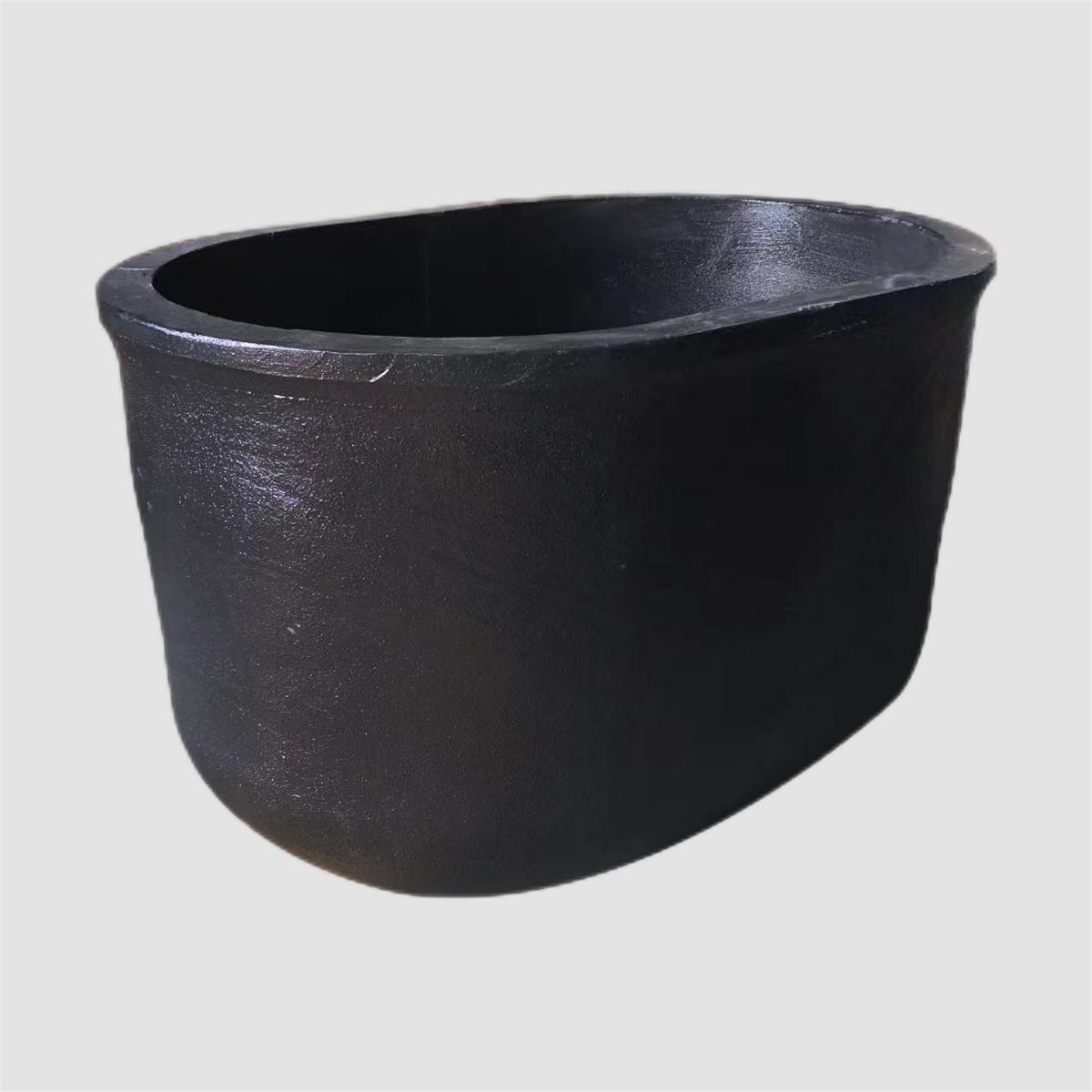
**China Advances in Copper Melting Furnace Technology to Boost Recycling Efficiency**In recent developments within the metallurgical industry, China's copper melting furnace and copper scrap melting furnace technologies have demonstrated significant progress, driving enhanced efficiency and sustainability in metal recycling processes. These advancements underscore the nation’s commitment to environmental responsibility, resource conservation, and industrial innovation.### Revolutionizing Copper Processing with Advanced Furnace TechnologiesCopper plays a crucial role across numerous industries due to its excellent electrical conductivity, thermal properties, and corrosion resistance. However, the traditional copper production process is energy-intensive and generates substantial environmental impact. Recognizing these challenges, Chinese manufacturers and researchers have devoted substantial resources toward developing cutting-edge melting furnaces specifically designed for copper and copper scrap processing.The new copper melting furnaces feature improved thermal efficiency, precise temperature control, and optimized slag removal systems. These innovations reduce fuel consumption and emissions while enhancing the quality and purity of molten copper. This not only furthers environmental goals but also positively impacts the overall economic efficiency of copper production.Similarly, advanced copper scrap melting furnaces enable the recycling of copper waste and scrap metals with minimal loss and contamination. These furnaces incorporate state-of-the-art automation and sensor technology, which allow for real-time monitoring and adjustment of melting parameters. The outcome is a highly efficient process that transforms copper scrap into valuable raw material with consistent quality standards, enabling circular economy practices in the metallurgical sector.### Environmental and Economic BenefitsBy improving the performance and sustainability of copper melting furnaces, China is addressing critical environmental concerns related to metal production. The optimized furnaces significantly lower greenhouse gas emissions through enhanced fuel utilization and reduced molten metal oxidation. Additionally, the ability to efficiently melt and recycle copper scrap reduces dependency on virgin ore mining, thereby preserving natural resources and mitigating land degradation.These technological advancements align closely with China’s broader industrial policies emphasizing green manufacturing, energy conservation, and carbon footprint reduction. Enterprises adopting these furnace technologies are likely to benefit from government incentives and meet increasingly stringent environmental regulations, thereby strengthening their market competitiveness.Furthermore, the improved furnace designs contribute to significant cost reductions. Lower energy consumption, minimized maintenance requirements, and higher metal recovery rates translate into an attractive return on investment for manufacturers. Enhanced process control also reduces defects and waste, further optimizing operational expenditures.### Industry Adoption and Market OutlookThe commercial availability of advanced copper melting and scrap melting furnaces has attracted interest from multiple sectors, including electrical manufacturing, construction, and electronics recycling companies. Enterprises are leveraging these furnaces to enhance sustainability credentials and achieve compliance with global green standards.China’s position as a leading producer and consumer of copper imparts strategic importance to these technologies. The country’s extensive copper industry chain—from mining and smelting to manufacturing and recycling—stands to gain significantly from such innovations. Collaborative efforts between furnace manufacturers, research institutions, and end-users have accelerated the development and adoption of these solutions, fostering a robust ecosystem for metallurgical technology advancement.Market analysts predict that the demand for highly efficient copper melting furnaces will continue to grow, driven by global trends in resource efficiency and environmental stewardship. As emerging economies expand infrastructure and green initiatives gain momentum worldwide, the need for sustainable metal processing technologies will escalate, positioning Chinese advancements as a competitive advantage on the international stage.### Company IntroductionAt the heart of this transformative wave is a prominent Chinese company specializing in metallurgical furnace solutions. With a legacy of innovation and quality, the company designs, manufactures, and supplies a diverse range of furnaces tailored for various ferrous and non-ferrous metal processing applications.Leveraging extensive research and development capabilities, the firm integrates advanced automation, precise thermal management, and durable construction materials into its products. This approach ensures that their furnaces achieve optimal performance, longevity, and eco-friendliness. The manufacturer offers comprehensive customer support, including technical consultation, installation, and after-sales service, empowering clients to maximize operational efficiency.Committed to sustainable industry practices, the company actively participates in initiatives that promote environmental responsibility and resource recycling. Their advanced copper melting and scrap melting furnaces exemplify this dedication by enabling efficient metal recovery with minimal environmental impact.### Future Prospects and Commitment to SustainabilityLooking ahead, China’s copper melting furnace industry aims to continue enhancing energy efficiency, reducing emissions, and integrating intelligent control systems. The incorporation of artificial intelligence and big data analytics is anticipated to enable predictive maintenance, process optimization, and quality assurance at unprecedented levels.The synergy between government support, technological innovation, and market demand positions China to maintain a leadership role in sustainable copper processing technology. As environmental challenges intensify globally, such progress not only addresses immediate industrial needs but also contributes to long-term ecological balance.In conclusion, China’s advancement in copper melting furnace and copper scrap melting furnace technologies marks a significant stride towards more sustainable and economically viable metal production. Supported by dedicated companies with deep expertise and innovation capacity, these developments bolster the recycling industry and support broader environmental goals. As adoption spreads and technologies evolve, the metallurgical landscape in China—and beyond—is set for a cleaner, greener future.
Read More